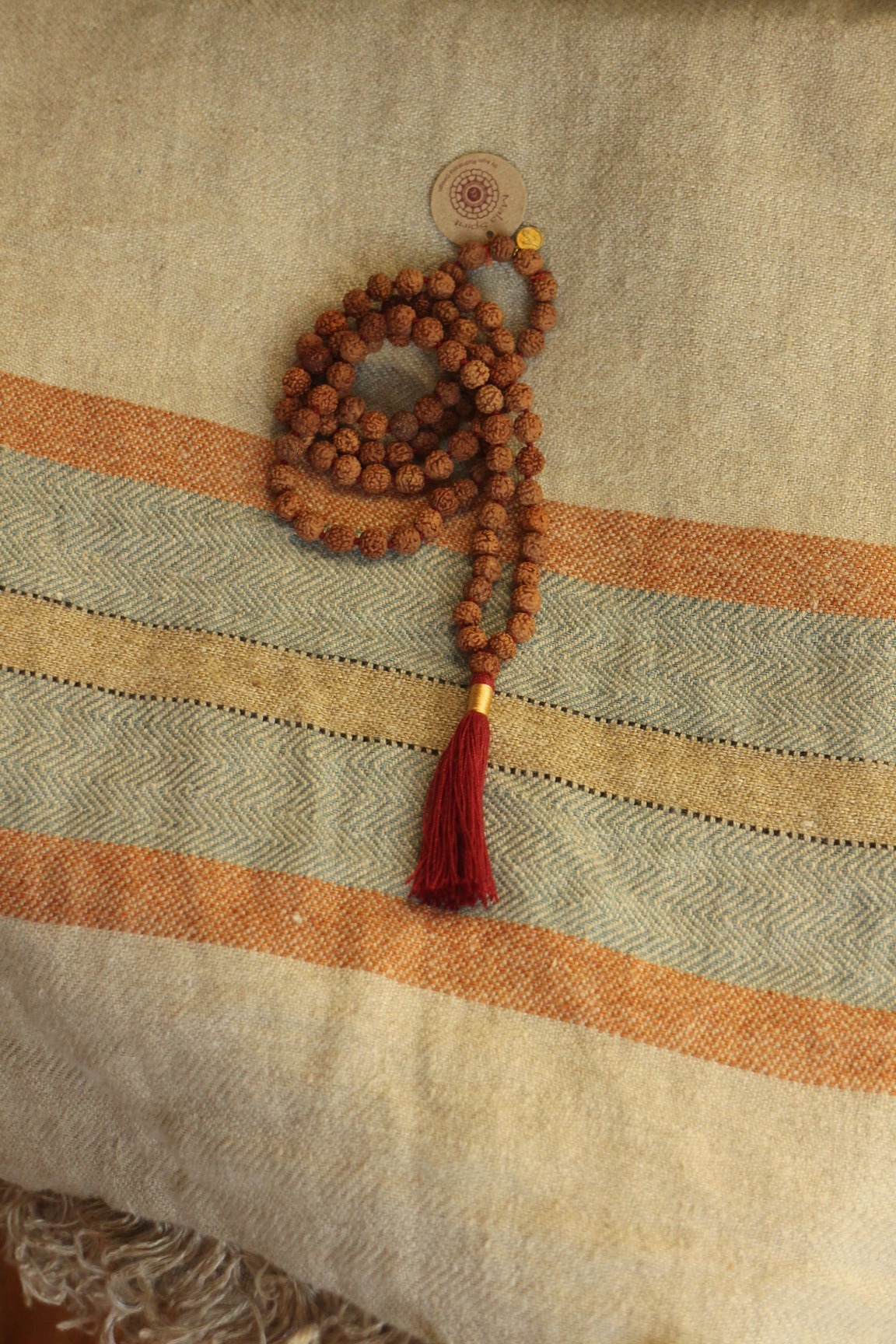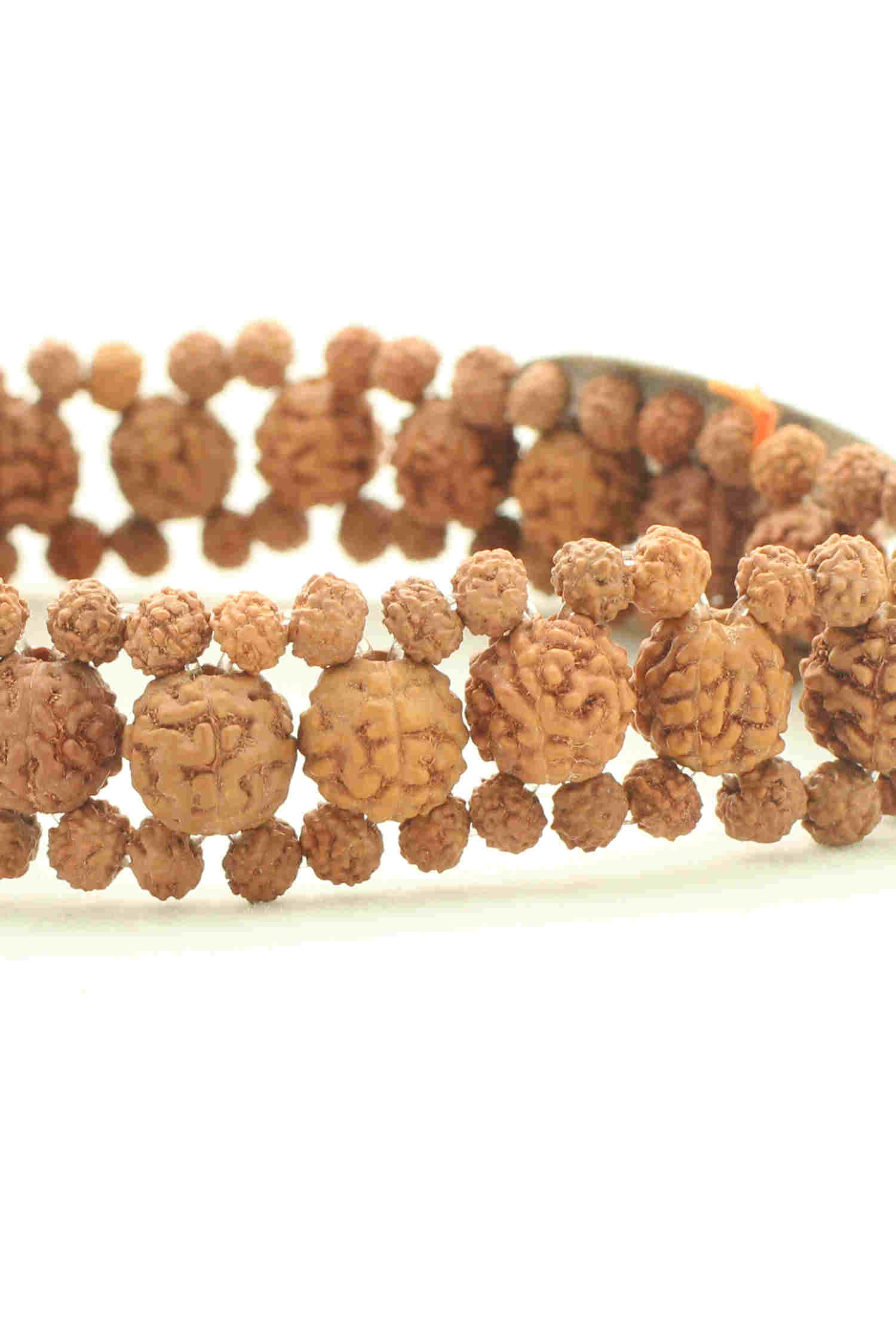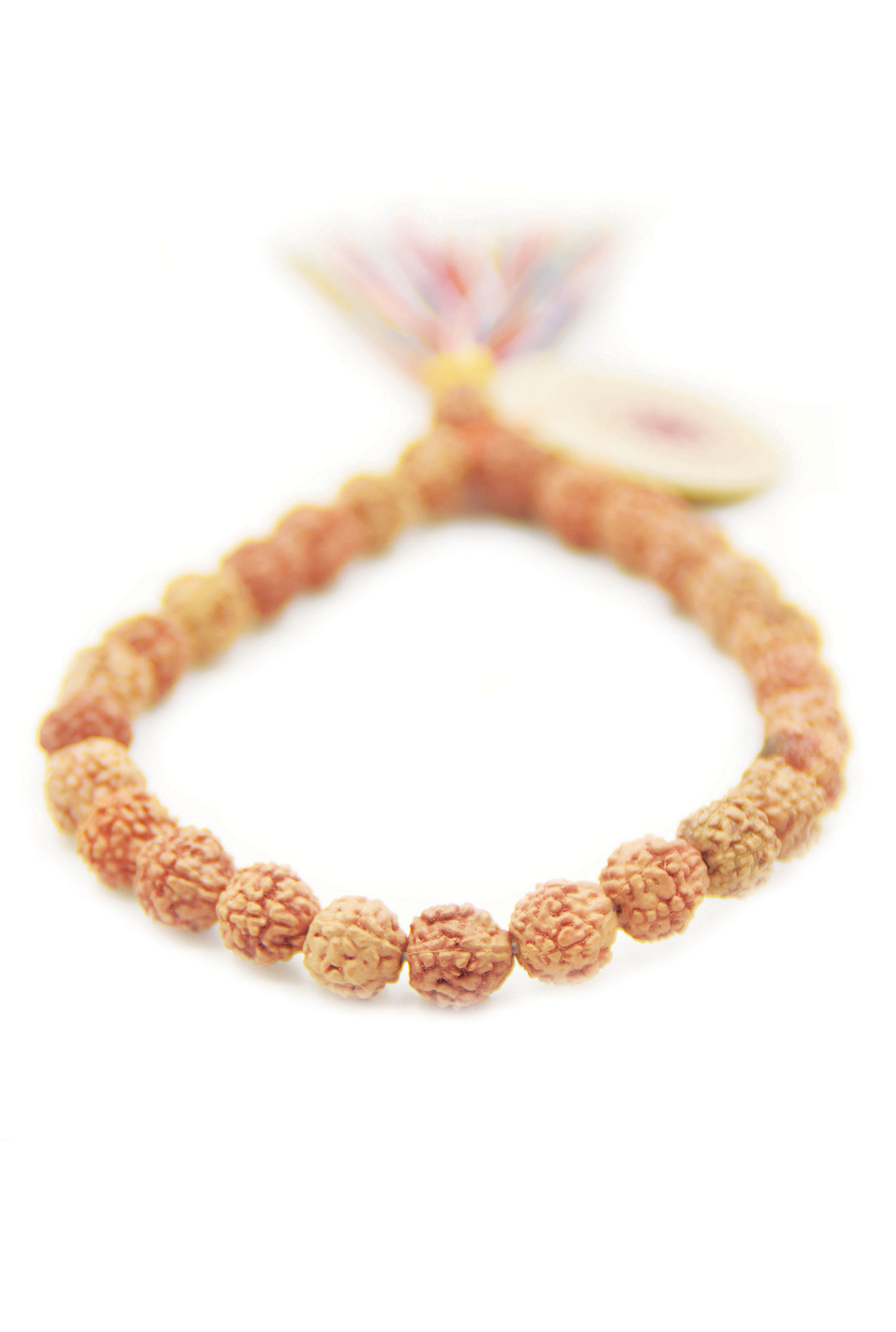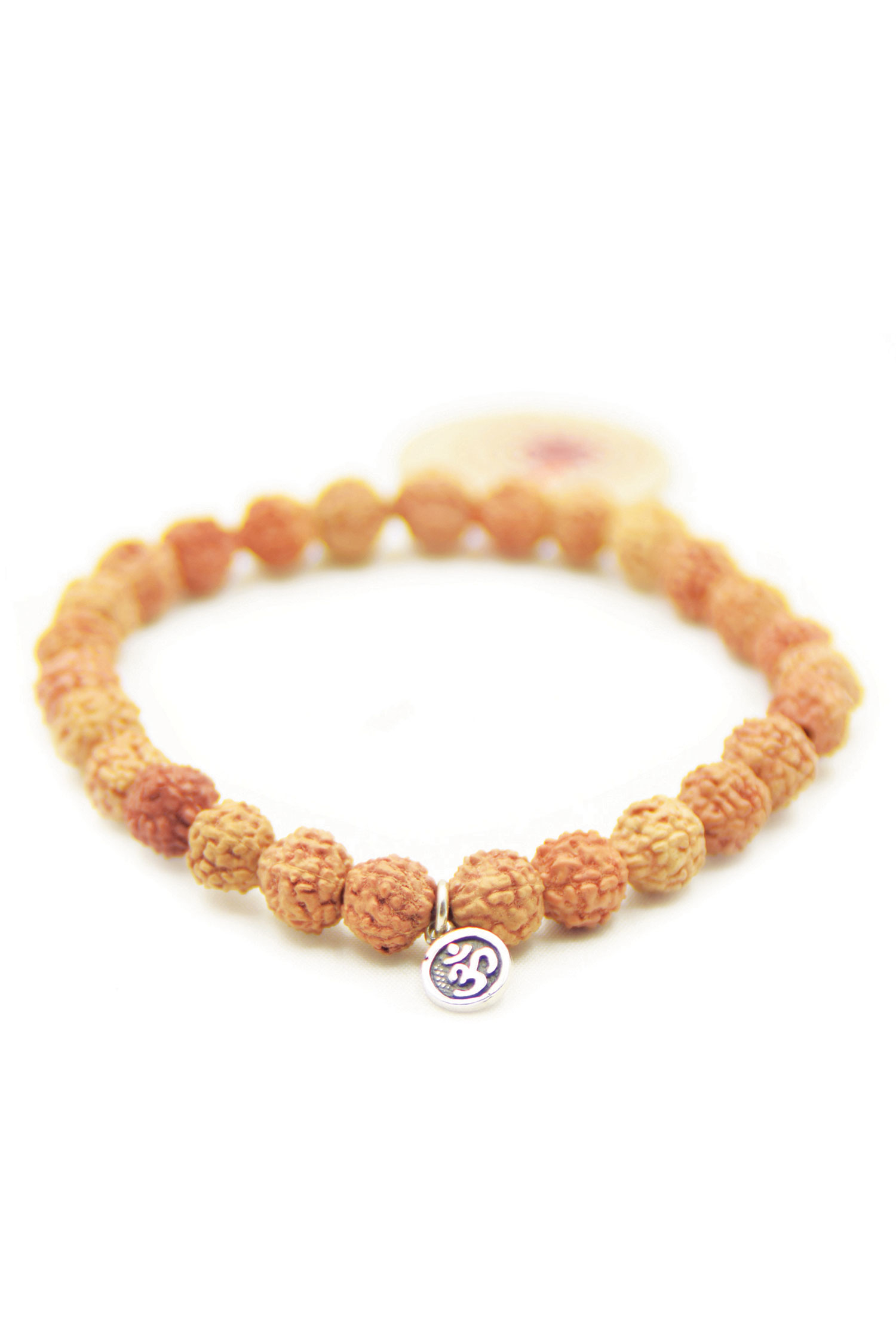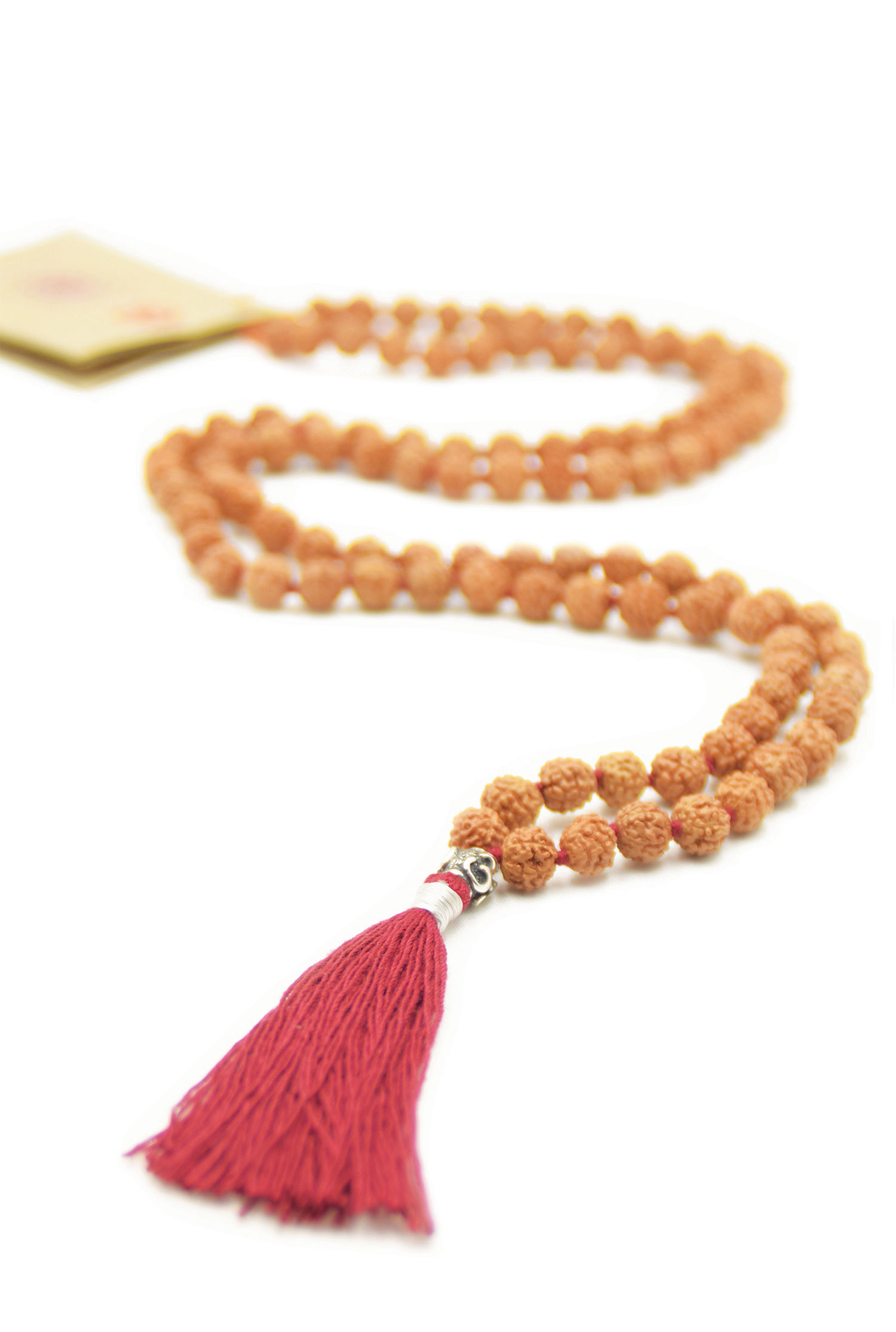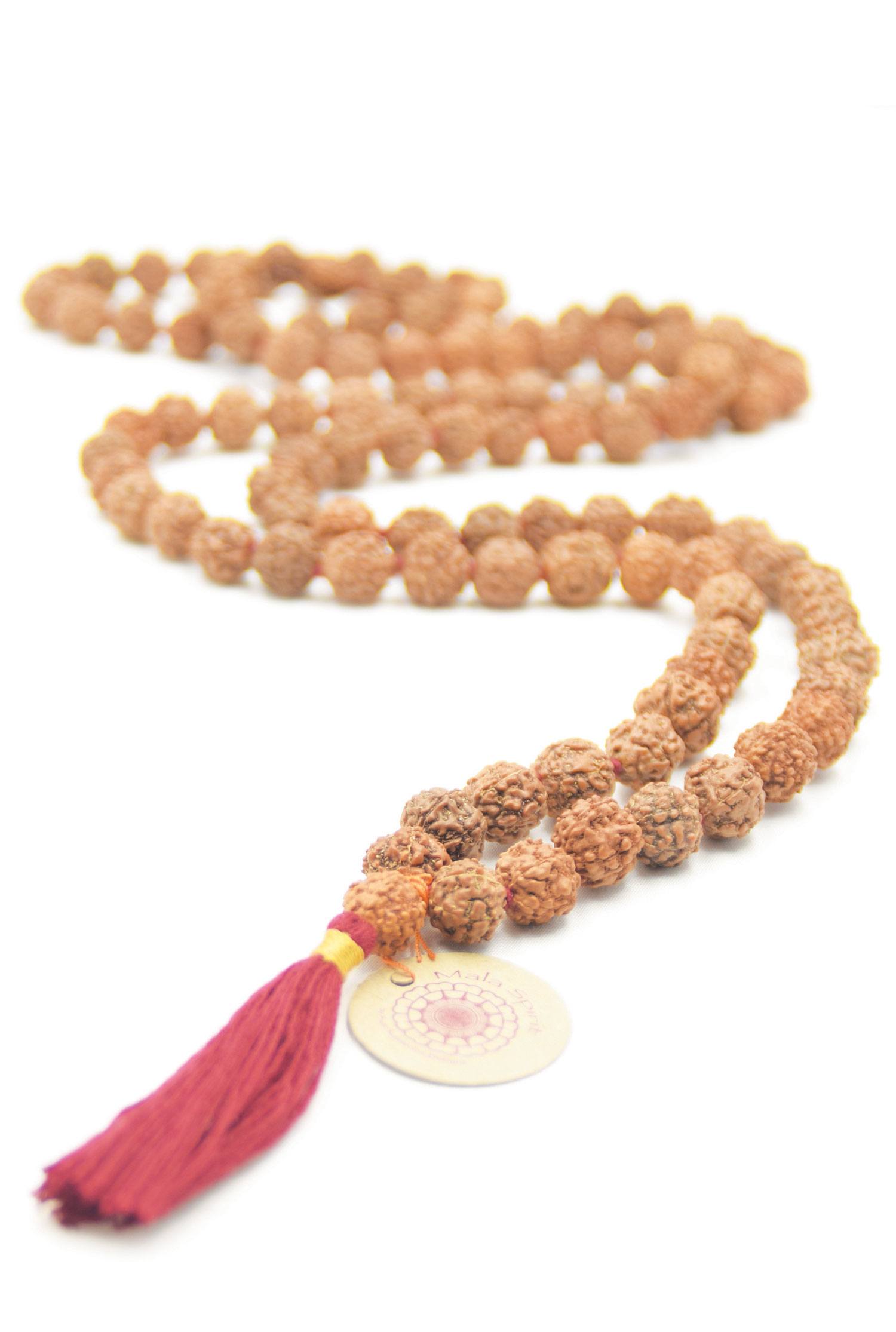
A mala is not a necklace that happens to have 108 beads. It is a tool: something that holds your attention while you meditate, so that you do not have to count and do not have to think about how far along you are.
There is no single right way to use one. The classical way is to count mantras, and that is set out step by step below. But there are quieter ways too, and for many people it begins simply with wearing the mala and touching it now and then.
Counting Mantras: Japa
The most common way to use a mala is called japa — Sanskrit for repetition. You choose a mantra: you find one yourself, you receive one from your meditation teacher or guru, or you take one from a tradition. You speak the mantra silently, aloud or singing, and repeat it at every bead until the round is complete.
You need a mala of 108 beads for this; all our mala necklaces are strung to that number.
How to Hold the Mala
Hold the mala in your right hand, between your thumb and your middle finger. The index finger is not used: in the tradition it stands for the ego, and that is precisely what you are setting aside.
Begin at the bead next to the guru bead — the larger bead that sits apart from the rest. Say your mantra, then move your thumb on to the next bead. In this way you travel the whole round, 108 times, until you arrive back at the guru bead.
The guru bead is never counted and never passed over. It marks where the round begins and where it comes to rest. If you want another round, turn the mala around and travel back the other way.
Why You Do Not Pass the Guru Bead
Turning around feels awkward at first, and it is tempting simply to carry on. Yet there is something in it. The moment you reach the guru bead is a natural pause: a round is complete, you notice how you are sitting with it, and you choose deliberately whether to go on. It is a moment of reflection.
Without that moment, japa soon becomes a conveyor belt. With it, it becomes a series of deliberate rounds.
Choosing a Mantra
A mantra is a word, a sound or a sentence that you repeat. It need not be complicated and it need not be in Sanskrit.
A mantra suited to every rudraksha, whatever its mukhi or type, is Om Namah Shivaya — a greeting to Shiva, and with that to your own true nature. Others widely used are So Hum (I am that) and Om Mani Padme Hum from the Buddhist tradition. If you would like a simple mantra that still sets a great deal in motion, choose Om.
But it can just as well be a word in your own language. Calm. Gratitude. Trust. What matters is that it means something to you and that you can keep repeating it without having to think about it.
How Many Rounds, and How Long
One round is 108 repetitions. Depending on your pace that takes five to ten minutes. For most people that is exactly enough to begin with.
The tradition also knows three rounds, or eleven, or a hundred and eight — but that belongs to an intensive practice with guidance. Begin with one round a day. A short practice you keep up does more than a long one you do twice and then leave alone.
When You Lose Count or Your Mind Wanders
It happens. To everyone, and more than once.
If you notice your attention has wandered off, you do not have to start again and you do not have to guess where you were. Your fingers know where they are. Pick the mantra up again at the bead under your thumb and carry on.
That noticing and returning is not the interruption of your meditation. It is the meditation.
Without a Mantra: Counting on Your Breath
You can also use your mala without a mantra. Move on one bead with every out-breath. This makes the practice quieter and slower, and you will notice your breath deepening as the round goes on.
This form works well if words distract you, or if you want to settle in the evening.
The Quieter Ways
Not every mala is counted. You can simply hold it in your right hand as you settle down, and meditate as you normally would. Quieter still is to lay the mala beside you and let it rest there while you sit.
Some beads are so special that they are never worn or held at all, but kept on an altar or in a place of worship.
And there is the everyday form, perhaps the most common of all: you wear your mala, and catch yourself touching it without thinking. That touch becomes a reminder — come back to your breath, come back to awareness.
How I Meditate Myself
During meditation I hold my mala in the palm of my right hand. I meditate in silence, beginning with conscious breathing, and from there I gradually settle into deep meditation. Afterwards I give thanks for the moment and lay my mala back on my altar.
Usually I use the same mala. But sometimes I feel the need to meditate on a particular intention; then I take a mala with gemstones or semi-precious stones and work through the meditation holding that intention in mind.
How Many of the Rules Do You Have to Follow?
There are many rules for using a mala. The scriptures are thousands of years old and they differ between traditions as well. That makes it complicated, and for years I wondered which of it was right and which was not.
From Ida Pedanda Gede Made Gunung, the Balinese high priest who died in 2016, I learned that use may also be practical. Without quoting him word for word, his answer came down to this: what matters is that you treat your mala with respect, as something sacred. And that is where the sacredness lies — not in whether every rule has been followed exactly.
Even so, here are a few, to give a sense of how closely the tradition can hold it:
- touch the mala only with your right hand
- when reciting the mantra, do not let your nails touch the rudraksha
- do not let anyone else handle your mala
- do not wear your japa mala; put it away safely after use
- a mala you wear is not used for japa meditation
- never take a mala into the toilet
- do not wear a mala while drinking alcohol, during physical intimacy, at a funeral service or during menstruation
And there are many more. I give them to sketch a picture, not as a prescription. Whether and how someone treats their mala is up to the owner.
A Mala to Wear and a Mala to Count With
That list points at something that can be confusing: the tradition distinguishes a japa mala, which you count with and put away afterwards, from a mala you wear. In the strict reading those are two different necklaces.
In practice most people manage with one. Anyone who wants to keep that distinction can have two — one to wear and one to practise with. And anyone who finds that a step too far has the priest on their side.
A Fixed Place and a Fixed Moment
Meditation becomes easier when you do not have to decide about it afresh each time. Choose a place where you sit and a moment in the day, and keep to them.
Morning works best for many people, before the day starts making its demands. But the best time is the time at which you actually do it.
Your Mala Between Sessions
A mala that gets used comes to look different. The rudraksha darken from the oils of your skin, and that is exactly as it should be.
How to wash, oil, store and cleanse it — and how to greet a new mala before you wear it for the first time — is set out in how to take care of a mala.
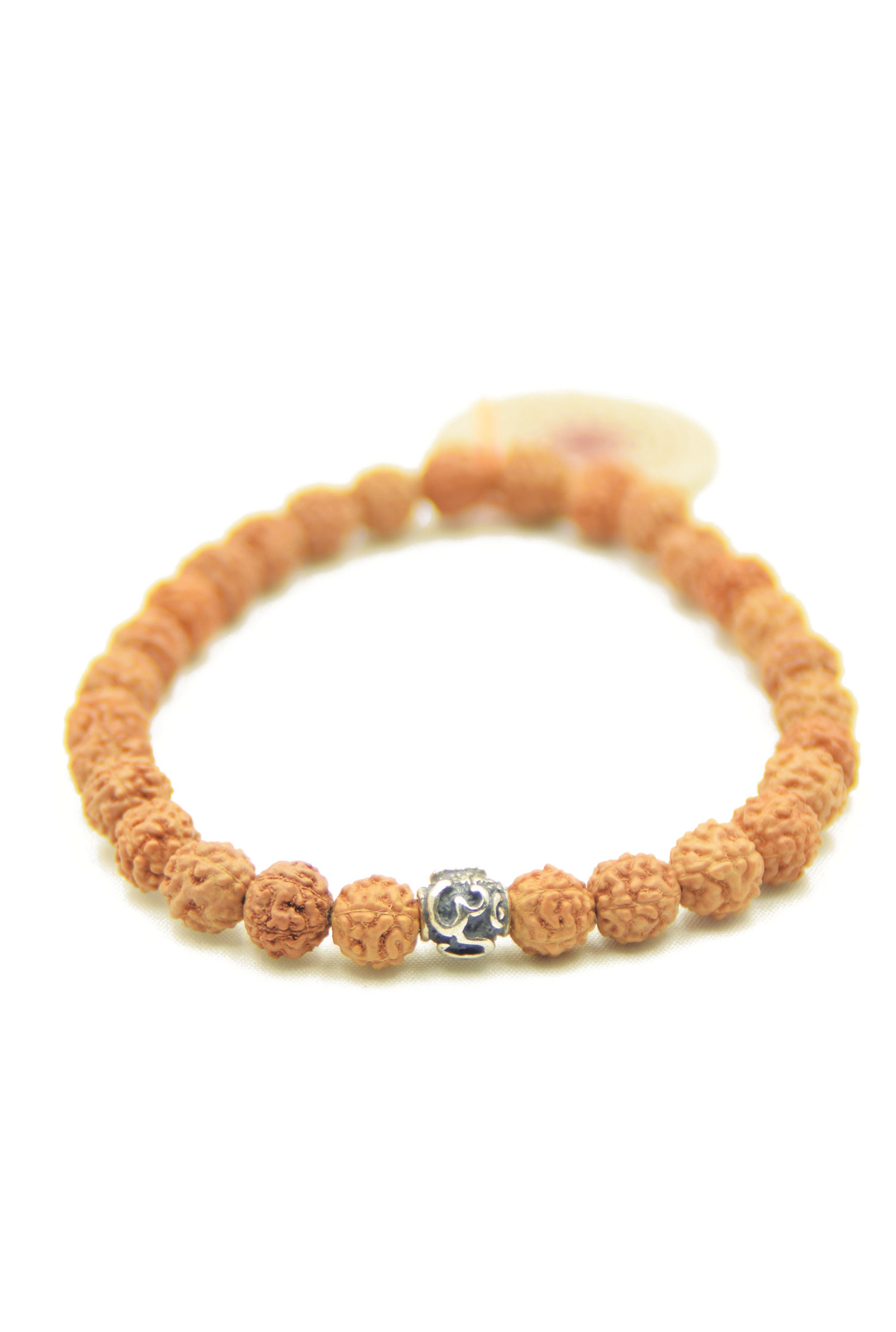
If you would rather wear it on your wrist, have a look at our mala bracelets.
Frequently Asked Questions About Using a Mala
Do I have to count exactly 108 times?
No. 108 is the traditional round and the reason a traditional mala has that number of beads, but there are also malas of 54 or 27 beads for shorter practices.
Why the right hand?
It comes from the Vedic tradition, in which the right hand stands for acting and giving.
Can I wear my mala when I am not meditating with it?
Yes. Many people wear theirs continuously, as a reminder and as a talisman, taking it off only to sleep and to shower.
Can I meditate with any mala?
Yes. The materials differ in meaning and energy, but the way of counting is the same. There is more on the beads themselves in rudraksha mala beads, and on the structure of a mala in what is a mala.
What if my mala breaks while I am meditating?
That is not bad news. In the tradition, a mala breaking stands for the breaking of a karmic cycle.
When someone comes to us with a broken mala, I always ask first whether that resonates. Often it does, and then it is time to return the mala to the earth: thank it, and bury it or give it to the sea.
Otherwise we repair it. The repair itself is free, and we do it with as much love as the mala was made with. If parts have to be replaced we may ask a contribution for those, as we do for postage.
Whichever form you choose, a mala only does its work once you use it. Start small, keep it up, and let the rest come.
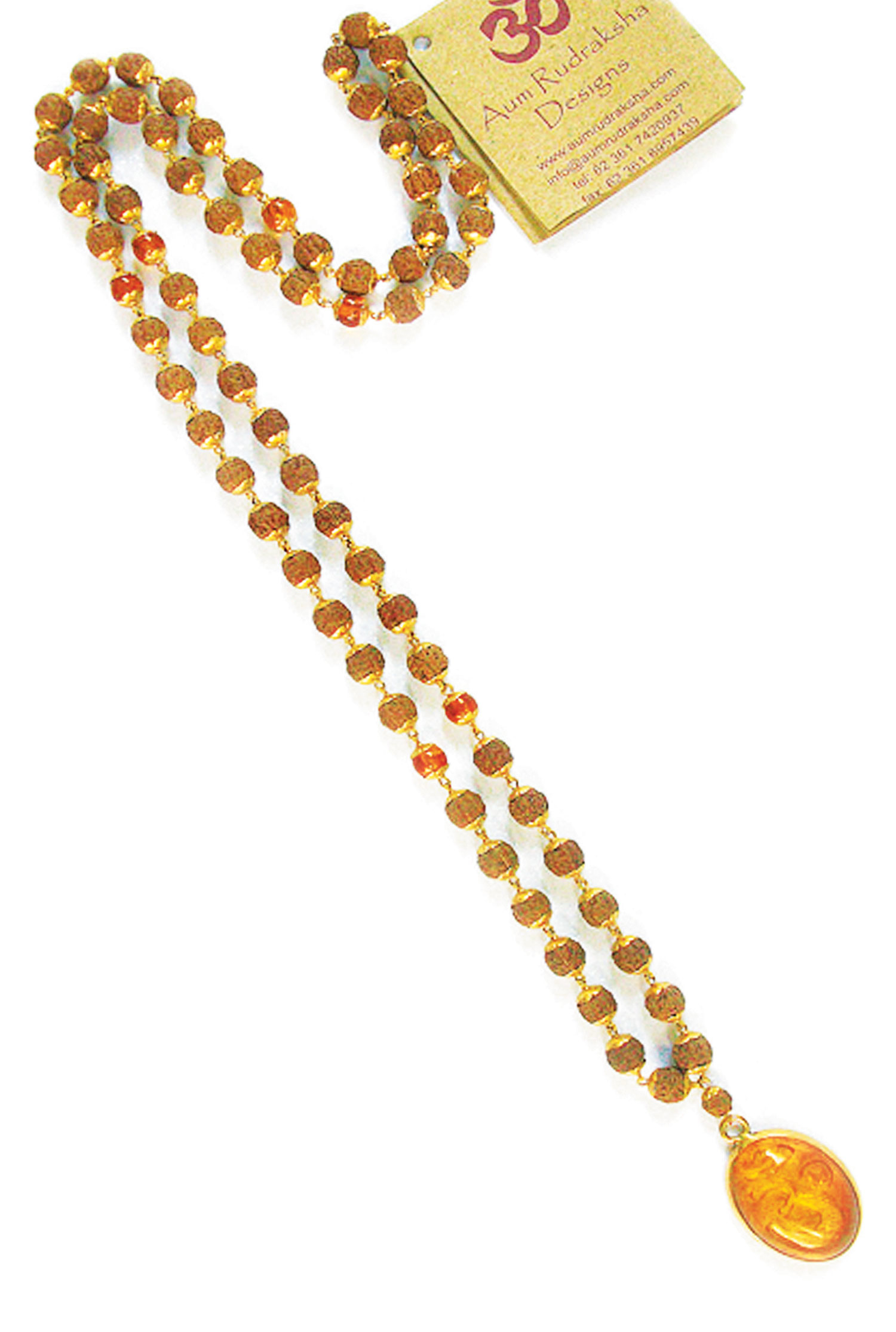
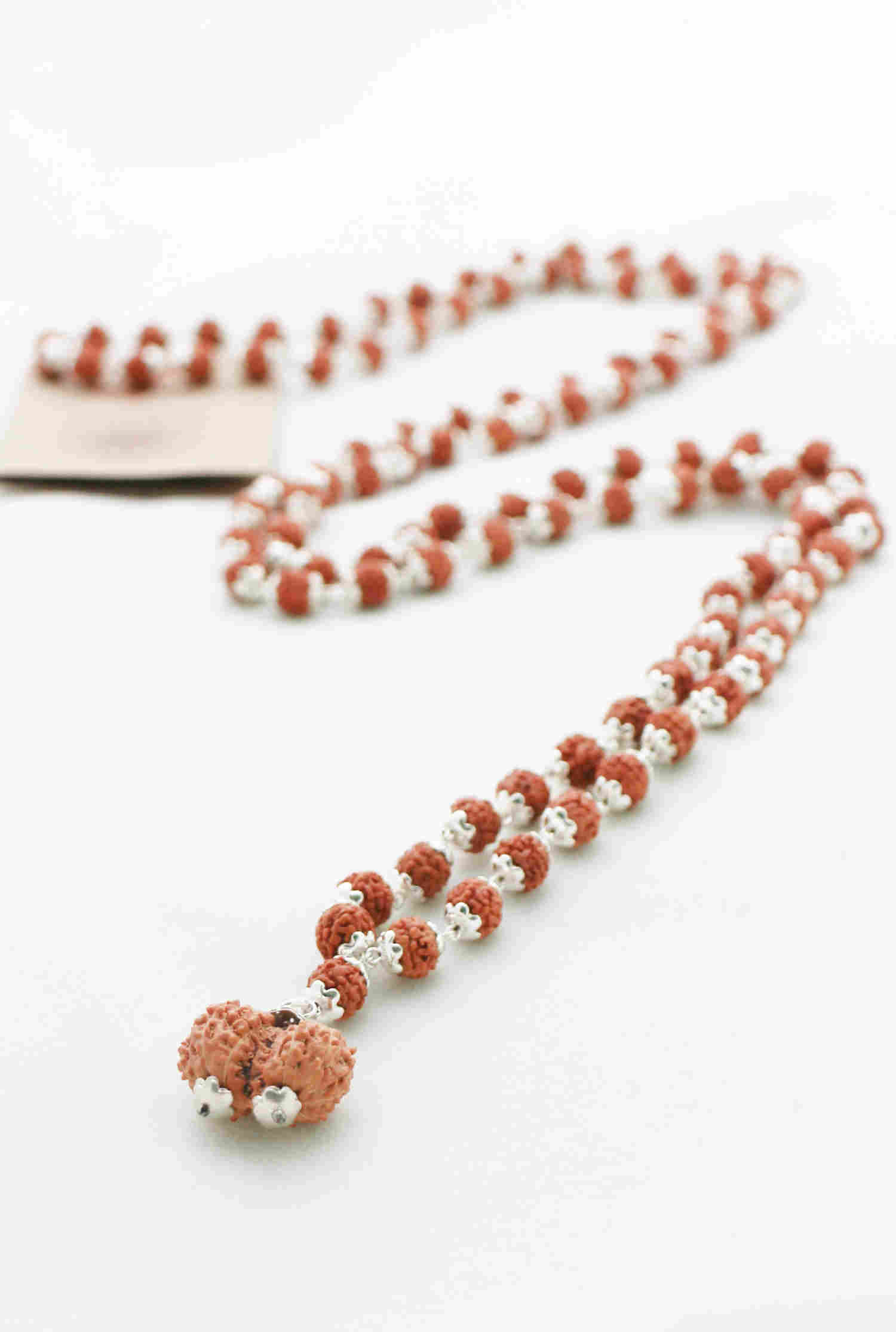
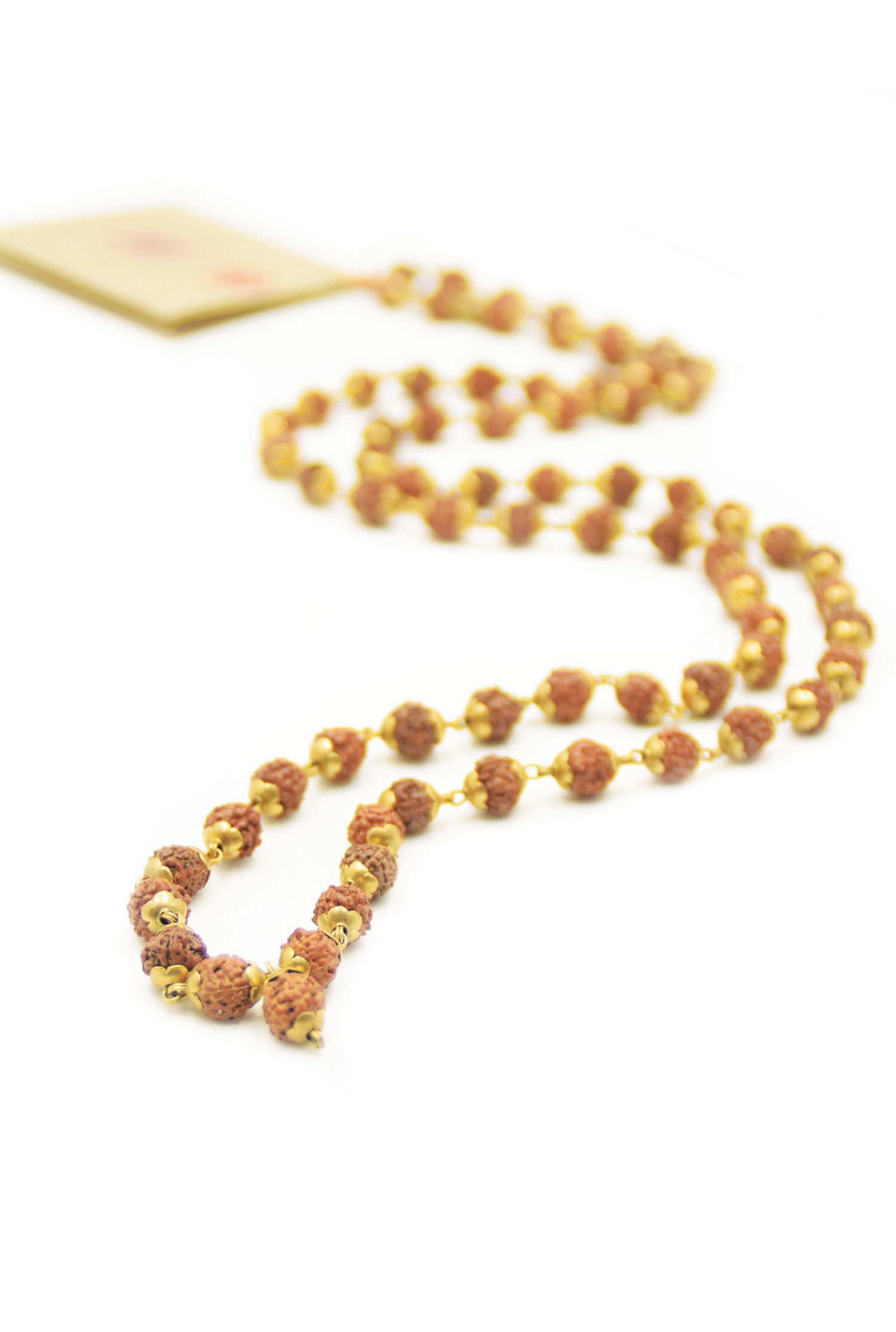
See the Sacred collection for malas of rudraksha alone, or all our malas, with a wide range set with gemstones.